
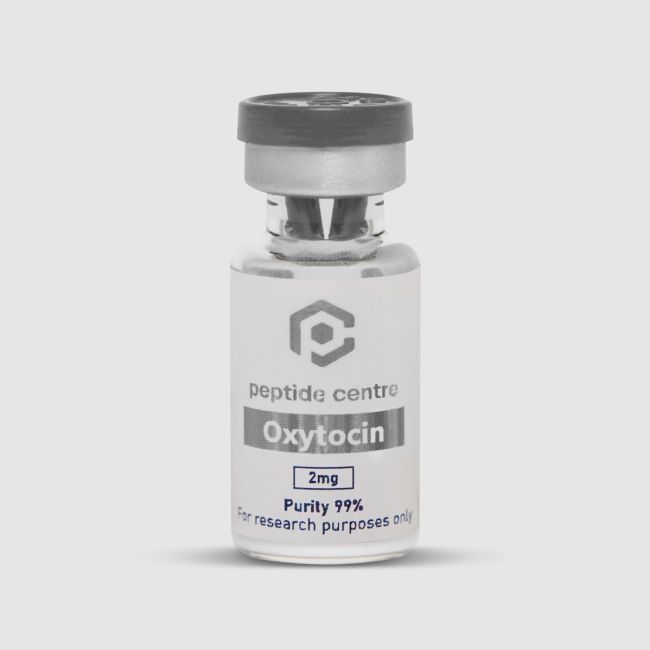
Oxytocin (10mg) Research Peptide for Social Behavior and Neuroendocrine Studies
Oxytocin (10mg) is a synthetic nonapeptide used extensively in neuroscience and behavioral science research. Known as the “bonding hormone,” Oxytocin plays a critical role in studies of social bonding, stress modulation, and neuroendocrine function across a wide range of experimental models.
Product Overview This 10mg vial of lyophilized Oxytocin Acetate is suitable for in vitro experiments examining peptide interactions with oxytocin receptors and the effects on brain signaling. It is especially relevant in research into social cognition, pair bonding, and emotional regulation pathways.
Key Research Attributes:
- Behavioral Science Utility: Frequently used in preclinical models investigating social recognition, trust, and empathy-like responses.
- Stress Response Regulation: Studied for its interaction with the HPA axis and its potential calming effect on stress-related behavior.
- Neuropeptide Activity: Binds specifically to oxytocin receptors located in the brain, reproductive tissues, and cardiovascular system.
- High Purity & Stability: Reagent-grade quality ensures reliable, reproducible results for laboratory-based research.
Applications in Scientific Research
- Social behavior and bonding mechanism studies
- Oxytocin receptor mapping and expression analysis
- Emotional response and mood regulation models
- Neuroendocrine hormone release investigations
- Stress adaptation and HPA axis feedback research
Format and Storage Form: Lyophilized powder Purity: >99% Storage: Store at -20°C in a sealed container Reconstitution: Use sterile bacteriostatic water for laboratory preparation
Disclaimer: Oxytocin (10mg) is provided for research use only. It is not intended for human or veterinary use. All research must comply with applicable scientific and ethical standards.
MRE INFORMATION
| Purity Percentage | 99% Purity |
|---|---|
| Volume | 2MG |
| Bought This Week | 10 |
| New | Yes |
| Sale | Yes |
RESEARCH
Oxytocin: Effects, Benefits, and Side Effects
Oxytocin is a peptide hormone and neuropeptide involved in childbirth, lactation, social bonding, stress regulation, and broader neuroendocrine signaling. Research has also explored its potential relevance in mood, appetite regulation, and selected neuropsychiatric conditions. Below are reputable research-linked sources summarising key findings on physiological actions, potential benefits, and known risks or side effects.
-
“Structure, Synthesis, and Core Physiological Actions” Reviews oxytocin’s molecular structure, receptor activity, and essential physiological functions including uterine contraction and lactation support. Read more
-
“Comprehensive Review of Mechanisms and Therapeutic Potential” Overview of oxytocin’s neurological and peripheral actions, with emerging research on therapeutic applications across psychiatric and developmental fields. Read more
-
“Stress-Related Neuropsychiatric Disorder Research” Summarises studies examining oxytocin’s relevance in stress, trauma, anxiety, and depression models, including central signaling pathways. Read more
-
“Clinical Applications in Labor and Lactation” Details oxytocin’s established use in obstetrics, including uterotonic effects, dose considerations, and key safety parameters. Read more
-
“Appetite Regulation and Metabolic Effects” Reviews oxytocin’s influence on appetite signals, food intake, and metabolic activity in both clinical and experimental settings. Read more
-
“Longevity, Well-Being, and Social Bonding Research” Research outlining oxytocin’s roles in social connection, emotional well-being, and potential hemodynamic risks such as blood pressure changes. Read more
-
“Postpartum Mood and Maternal–Infant Bonding” Investigates oxytocin’s connection to postpartum mood, bonding behaviours, and experimental intranasal formulations being studied. Read more
-
“Core Biological Functions and Social Behaviour” Overview of oxytocin’s influence on attachment, reproductive physiology, and postnatal adaptation processes. Read more
-
“Uterotonic Function and Hemodynamic Effects” Describes oxytocin’s uterine actions, medical classification as a uterotonic, and usage in managing postpartum bleeding and labor progression. Read more
-
“Endogenous Release, Orgasm, and Well-Being” Outlines research and popular-science summaries linking oxytocin release with intimacy, relaxation, mood elevation, and perceived pain modulation. Read more
Disclaimer: Any oxytocin-labelled products referenced on this site are intended strictly for laboratory research use only. They are not approved for human or veterinary administration. All research must comply with institutional and regulatory guidelines.
| Quantity | 3 Vials, 6 Vials, 9 Vials |
|---|
Be the first to review “Oxytocin (2mg)”
Related products

DNA Cell Research Peptides

DNA Cell Research Peptides

DNA Cell Research Peptides

DNA Cell Research Peptides

DNA Cell Research Peptides

DNA Cell Research Peptides

DNA Cell Research Peptides

DNA Cell Research Peptides
Reviews
There are no reviews yet.